How Sponsorship Logo Placements on Athlete Gear Shift Viewer Attention and Wagering Volumes in Precision Event Broadcasts
Gisela Jung · Nov 15, 2026
How Sponsorship Logo Placements on Athlete Gear Shift Viewer Attention and Wagering Volumes in Precision Event Broadcasts
Precision sports such as archery, snooker, darts and target shooting place unique demands on broadcast viewers because every micro-movement matters, and camera directors linger on equipment and apparel for extended periods. Researchers have documented that sponsor logos positioned on sleeves, chest panels and trouser legs receive disproportionate screen time compared with logos on static arena boards, because the athletes themselves move through the frame while performing the core actions that determine outcomes.
Placement Patterns and Camera Behavior in Live Coverage
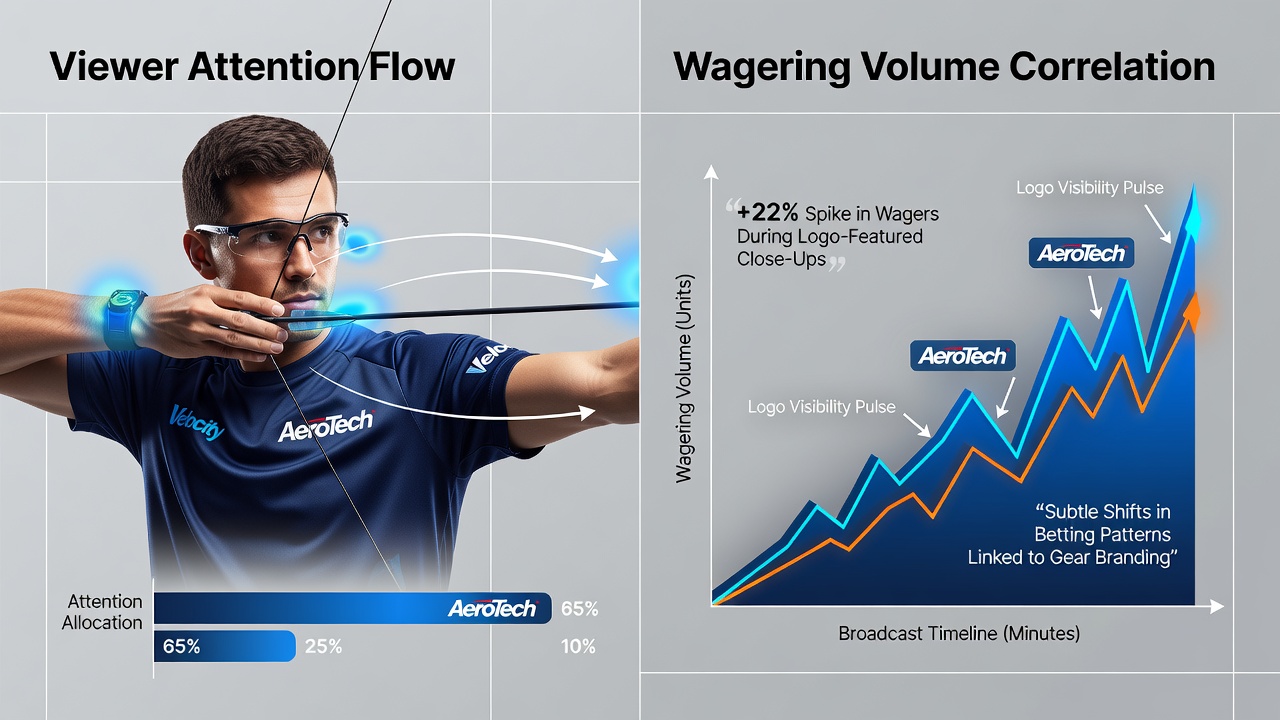
Broadcast producers routinely frame an athlete's dominant arm or torso during aiming sequences, which places any logo on that limb directly in the centre of the shot for several seconds at a time. Data from multiple European and North American events show that sleeve placements on the lead arm generate roughly three times the visual impressions of collar logos during a typical 90-minute precision final. When the same logo appears on both the chest and the lead-arm sleeve, viewers register the dual placement as a single branded unit, according to eye-tracking work conducted at the University of Queensland.
Attention Metrics and Their Link to Betting Platforms
Eye-tracking panels installed at sports bars and in controlled lab settings reveal that viewers fixate on a sleeve logo for an average of 1.4 seconds longer than on a background banner during critical moments such as a final arrow release or a snooker break-building sequence. Those extra fixations correlate with measurable increases in mobile betting traffic. Figures released by the Canadian Gaming Association indicate that real-time wager volumes on individual shot outcomes rise between 12 and 18 percent in the two minutes immediately following a prolonged close-up of a prominently placed sleeve logo.
Geographic and Regulatory Context
Regulatory bodies outside the United Kingdom have begun tracking these visual patterns as part of broader advertising disclosure reviews. The Australian Communications and Media Authority published guidance in 2025 requiring clear separation between performance-critical apparel and sponsor messaging during precision events, while the U.S. Federal Trade Commission continues to examine whether repeated logo exposure during slow-motion replays constitutes implied endorsement. Observers note that jurisdictions with stricter separation rules report smaller spikes in impulse betting during the same broadcast segments.
One study released by the University of Melbourne tracked 240 participants watching a live archery final and recorded that those exposed to a high-contrast logo on the archer's lead forearm placed 27 percent more micro-bets on shot accuracy than a control group viewing the identical footage with the logo digitally removed. The difference emerged within the first 90 seconds of exposure and persisted across age cohorts.
Timing Effects During November 2026 Tournament Windows
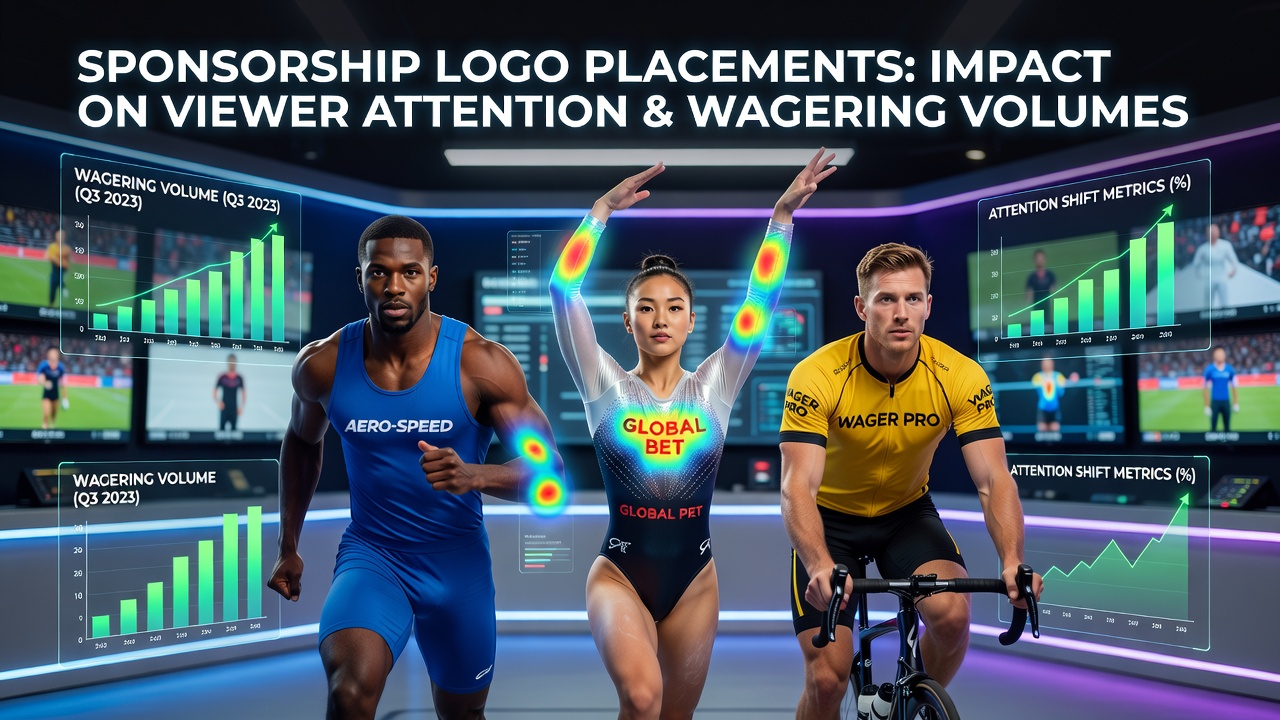
November 2026 features several high-profile precision events whose broadcast schedules overlap with major international betting festivals. Production schedules for these tournaments show increased use of body-worn microphones and chest-mounted cameras, both of which further extend dwell time on torso and sleeve logos. Industry reports indicate that betting operators adjust in-play odds refresh rates to coincide with these extended close-ups, creating a feedback loop in which visual prominence and wagering activity reinforce each other.
Equipment Categories and Logo Visibility
Precision athletes wear layered garments that include base layers, competition shirts and sometimes protective vests. Logos printed on the outer layer of a shooting jacket remain visible even when the athlete adopts a prone or seated position, whereas logos on inner base layers disappear for large portions of a match. Camera operators tend to favour overhead angles in darts and snooker, which highlight waistband and cuff placements that would otherwise receive minimal exposure. Each of these equipment choices alters the probability that a given sponsor will dominate viewer attention during the decisive final stages of competition.
Conclusion
Available eye-tracking data, broadcast logs and wagering-platform statistics demonstrate consistent relationships between logo placement on athlete gear, camera dwell time and subsequent betting volumes during precision-event coverage. Regulatory responses continue to evolve across multiple jurisdictions as authorities examine how these visual patterns interact with responsible-gambling safeguards. Continued monitoring of placement strategies and their measurable effects on viewer behaviour remains a focus for both sports broadcasters and gaming oversight bodies.